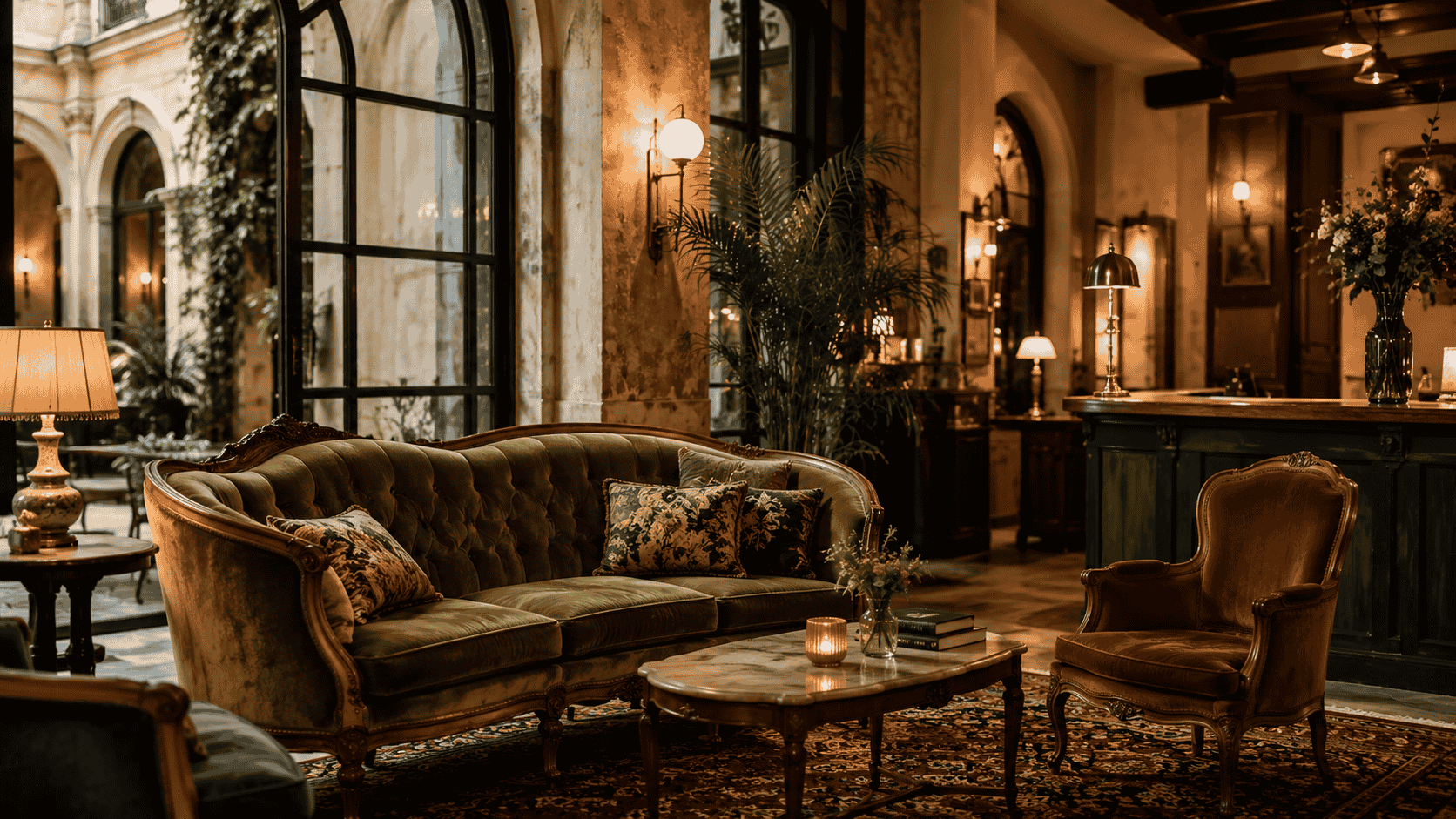
A boutique hotel succeeds when guests remember more than the room—they remember how the space made them feel. While architecture, lighting, and décor all contribute to that impression, furniture often becomes the element that ties the story together. Among these pieces, a carefully selected vintage sofa can do far more than provide comfortable seating. It can reflect local heritage, celebrate craftsmanship, and create interiors that feel authentic rather than interchangeable.
Today’s travelers increasingly seek meaningful experiences instead of standardized luxury. According to hospitality trend reports from organizations such as Skift and Hilton, authenticity and locally inspired design continue to influence booking decisions, especially among experience-driven travelers. For boutique hotels, this presents an opportunity to use furniture as part of their brand identity rather than simply filling a space.
This guide outlines the best practices for choosing vintage-inspired seating that strengthens a hotel’s sense of place while enhancing guest experience and marketing appeal.
Why „Sense of Place“ Matters in Boutique Hospitality
Guests rarely remember generic interiors. They remember spaces that tell a story.
A boutique hotel in Tuscany should feel different from one in Kyoto or Marrakech. Furniture that reflects local history, materials, and craftsmanship helps guests build a stronger emotional connection with the destination.
A thoughtfully chosen boutique hotel sofa contributes to:
- Stronger brand identity
- Better guest satisfaction
- More memorable social media photography
- Increased repeat bookings
- Distinctive visual marketing
Rather than following international design trends alone, many successful boutique hotels are embracing regional character.
Choose Sofa Designs That Reflect Local Architecture
The shape of a sofa communicates style before guests even sit down.
Consider selecting designs inspired by local architectural traditions.
| Destination Style | Recommended Sofa Design |
| European Heritage Hotels | Chesterfield or carved classic sofas |
| Mediterranean Resorts | Curved silhouettes with linen upholstery |
| Scandinavian Boutique Hotels | Minimal wooden frames with soft neutral fabrics |
| Colonial Properties | Rolled arms with handcrafted timber details |
Matching furniture profiles with architectural elements creates a cohesive interior narrative.
Celebrate Local Craftsmanship
One of the biggest advantages of using vintage furniture for boutique hotels is the opportunity to showcase regional artisans.
Instead of sourcing mass-produced furniture, consider pieces featuring:
- Hand-carved wood
- Traditional joinery
- Locally woven textiles
- Artisan upholstery
- Decorative stitching inspired by regional culture
Guests increasingly appreciate authentic craftsmanship, particularly when hotels share the story behind the furniture through room guides or lobby displays.
Use Fabrics and Patterns That Tell a Story
Textiles can express cultural identity just as effectively as architecture.
Natural fabrics such as linen, cotton, wool, and velvet pair beautifully with vintage-style frames while adding warmth and texture.
When selecting upholstery, look for patterns inspired by:
- Traditional weaving techniques
- Indigenous motifs
- Historic floral designs
- Regional color palettes
- Local landscapes
The goal is subtle storytelling rather than themed decoration. Authentic references create timeless interiors that age gracefully.
Incorporate Reclaimed Materials
Sustainability and authenticity often go hand in hand.
Vintage-inspired furniture crafted from reclaimed timber or responsibly sourced hardwoods adds character while supporting environmentally responsible design practices.
Benefits include:
- Unique natural grain patterns
- Reduced environmental impact
- Rich historical character
- Longer product lifespan
- Stronger sustainability messaging
Many luxury travelers now value hotels that combine heritage with responsible sourcing.
Balance Character with Modern Comfort
Historic inspiration should never compromise guest comfort.
A successful vintage sofa combines timeless aesthetics with contemporary performance through:
- High-resilience foam cushions
- Durable commercial upholstery
- Fire-rated hospitality materials
- Ergonomic seat depth
- Reinforced hardwood frames
This balance allows hotels to preserve classic style while meeting modern hospitality standards.
Create Instagram-Worthy Social Spaces
Today’s guests often become a hotel’s most effective marketers.
A beautifully styled lobby featuring a distinctive vintage sofa naturally encourages photography and social sharing.
Enhance visual impact by pairing the sofa with:
- Local artwork
- Antique lighting
- Handmade rugs
- Decorative books
- Indoor plants
- Heritage-inspired accessories
These thoughtful combinations create memorable spaces that appear consistently across guest-generated content.
Best Practices Checklist
Before selecting a boutique hotel sofa, ask:
✔ Does it reflect the destination’s identity?
✔ Does it complement the building’s architecture?
✔ Are local materials or craftsmanship incorporated?
✔ Is the upholstery suitable for commercial use?
✔ Will the design remain timeless for years?
✔ Is the frame durable enough for hospitality traffic?
✔ Does it support your sustainability goals?
✔ Will guests naturally photograph the space?
Common Mistakes to Avoid
Even premium hotels sometimes miss opportunities to create authentic interiors.
Avoid these common mistakes:
- Choosing furniture based only on current trends
- Mixing unrelated historical styles
- Ignoring local cultural influences
- Prioritizing appearance over durability
- Using low-quality imitation vintage finishes
- Overcrowding spaces with decorative furniture
Successful boutique interiors focus on quality, restraint, and storytelling rather than excessive ornamentation.
Bringing the Story Together
Every furniture decision contributes to the guest experience. A thoughtfully selected vintage sofa does more than furnish a lobby or lounge—it helps communicate the history, culture, and personality of a destination. When paired with local craftsmanship, meaningful textiles, reclaimed materials, and timeless design, furniture becomes an integral part of a hotel’s brand story.
Hotels that invest in authentic, place-inspired interiors often create stronger emotional connections with guests while producing distinctive marketing imagery that stands out in a competitive hospitality market.
If you’re planning a boutique hotel project or renovating existing interiors, explore our Vintage Sofa Collection and Bespoke Hotel Furniture. Our team can help you create furniture collections that reflect your property’s identity while delivering the durability and elegance expected in luxury hospitality.
You may also read
Schreibe einen Kommentar