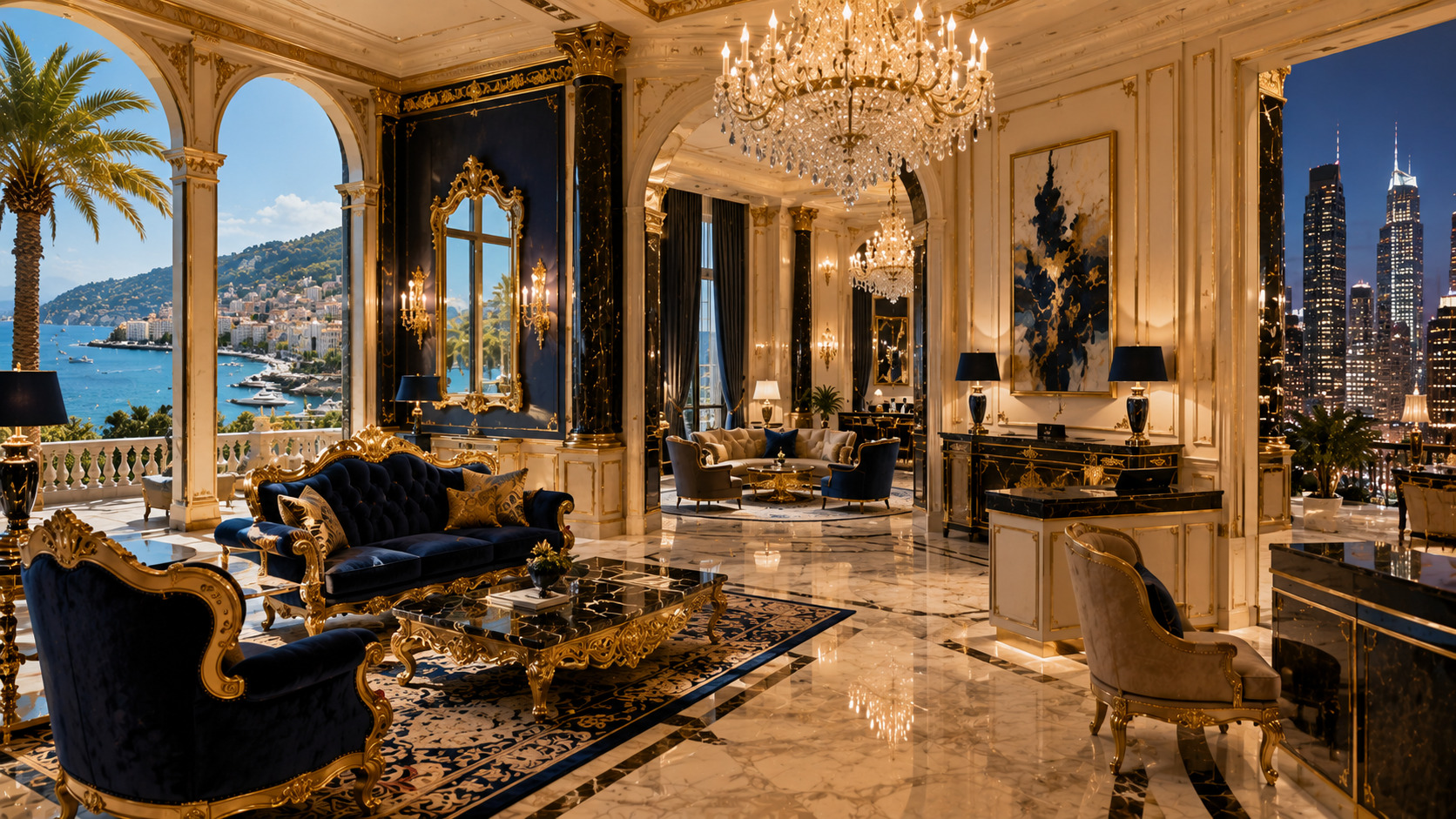
Every year during festival season, the eyes of the hospitality industry turn to the Côte d’Azur. The iconic properties lining the Croisette have perfected a unique design language that balances sun-drenched coastal ease with grand historical opulence. It is a look defined by a distinct blending of a breezy riviera hotel style with the dramatic silhouettes of a classic french baroque hotel.
However, bringing this aesthetic to an urban skyscraper in Tokyo, a heritage building in London, or a boutique resort in Miami requires more than just copying a blueprint. The secret lies in masterfully adapting cannes riviera baroque style for international luxury hotels while respecting the local architecture and climate. When executed with cultural sensitivity, this cross-continental design fusion creates an unparalleled guest experience that feels both globally sophisticated and locally grounded.
Decoding the DNA of French Riviera Opulence
To translate this style for an international audience, we must first break down its core elements. The classic look relies heavily on sculptural forms, gilded accents, and high-back seating. Yet, unlike its heavier Parisian counterpart, the Mediterranean version utilizes lighter color palettes and reflective surfaces to maximize natural light.
When selecting cannes inspired furniture, look for pieces that possess the intricate scrollwork of the baroque era but are finished in washed gold, antiqued silver, or crisp white lacquer. This ensures the furniture retains its regal weight without making a modern hospitality space feel dark or claustrophobic. By allowing the intricate carvings to breathe against neutral backdrops, you establish a universal sense of luxury that resonates across cultures.
Harmonizing Coastal Grandeur with Urban Architecture
The first step in a global adaptation guide is balancing the furniture with the property’s physical location. A glass-walled tower in Manhattan cannot handle the exact same layout as a seaside villa in Cannes. Instead, urban hotels should focus on the concept of „monolithic framing.“
Place a single, high-impact french baroque hotel sofa or a grand carved console in the center of a sleek, minimalist lobby. This juxtaposition creates a striking visual tension that feels incredibly contemporary. The clean lines of the urban architecture act as a modern frame for the ornate furniture, making the historical design elements look like curated pieces of contemporary art rather than relics of a bygone era.
Tailoring Color Palettes for Global Cultural Sensitivity
Color carries different emotional weight depending on where you are in the world. While the French Riviera embraces a mix of gold, cream, and sky blue, international properties should adjust these hues to align with regional preferences and local light conditions.
- For East Asian Metropolises: Swap out soft pastels for deep imperial reds or jade tones tucked into the velvety upholstery of your cannes inspired furniture, which pairs beautifully with traditional gold-leaf baroque frames.
- For Northern European Hubs: Infuse warmth into grey winter days by opting for richer, deeper woods like walnut or mahogany as the base for baroque carvings, maintaining the riviera hotel style through plush mohair fabrics.
- For Middle Eastern Resorts: Lean heavily into high-contrast opulence, using stark white marble flooring underneath intricately detailed, brilliant gold furniture to mirror the region’s love for luminous grandeur.
Material Transitions for Varied Climates
A crucial aspect of adapting cannes riviera baroque style for international luxury hotels is the material selection. The fabrics and woods used in the South of France are chosen for their response to coastal humidity and bright sun. When moving this style to different climates, material adjustments are non-negotiable for operational durability.
In tropical climates, replace heavy silk brocades with high-performance, stain-resistant linens that offer the same visual luxury but remain breathable for guests. For properties in colder climates, transition toward heavy velvets and wool-blend tapestries to provide the physical warmth guests expect. The frame of your french baroque hotel furniture should remain grand and detailed, but the textile wrapped around it must serve the local environment.
Creating a Universal Sense of Arrival
Ultimately, the goal of importing the French Riviera aesthetic to a new city is to recreate that undeniable feeling of elite arrival. A luxury hotel lobby should always feel like a grand stage where guests are the main characters.
By strategically placing a round, gold-leaf table in the reception area or mounting an oversized baroque mirror behind the concierge desk, you instantly elevate the check-in ritual. These timeless pieces bridge the gap between continents, signaling to international travelers that they have entered a space of uncompromising quality, world-class craftsmanship, and curated luxury.
Schreibe einen Kommentar