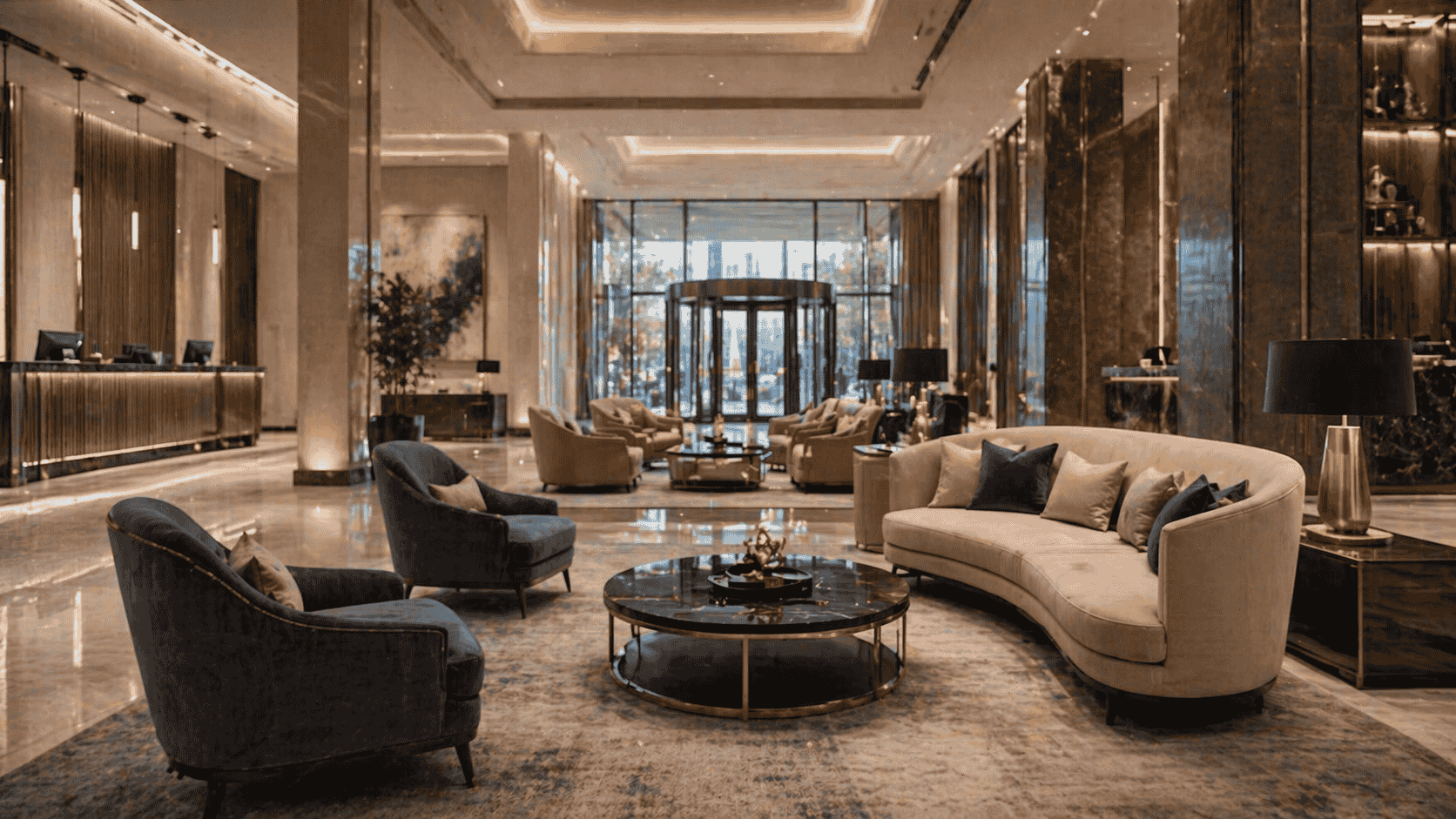
First impressions in hospitality are no longer formed at the reception desk—they begin online. Before a guest ever steps into a property, they have already evaluated its design, atmosphere, and perceived quality through images. In that visual decision-making process, hotel lobby furniture plays a critical role. From a refined hotel lobby sofa to carefully arranged hotel lobby seating, every element contributes to how potential guests judge a hotel’s value and credibility.
For hotel owners across Europe, the lobby is not just a physical space—it is a visual asset that directly impacts bookings, brand perception, and revenue potential.
The Power of Visual Perception in Online Booking
Guests browsing hotel platforms rely heavily on images to make decisions. A well-designed lobby featuring premium luxury hotel furniture communicates professionalism, comfort, and attention to detail.
When a potential guest sees an elegant hotel lobby couch with balanced proportions and high-quality materials, it creates an immediate sense of trust. This visual reassurance often influences whether they continue exploring the listing or move on to a competitor.
On the other hand, outdated or poorly coordinated hotel lobby seating can raise doubts. Even subtle design inconsistencies can suggest a lack of maintenance or investment, reducing booking confidence.
How Furniture Design Shapes Guest Expectations
Design sets expectations before arrival. Carefully curated hotel lobby furniture tells guests what kind of experience they can expect throughout the property.
A luxurious hotel lobby sofa with plush upholstery suggests comfort and relaxation. Sleek, minimalist hotel lobby seating indicates modern sophistication. Traditional designs communicate heritage and timeless elegance.
European luxury hotels often rely on understated refinement—neutral tones, natural materials, and clean silhouettes. This approach ensures that luxury hotel furniture enhances the space without overwhelming it, creating a balanced and inviting atmosphere.
These visual signals guide guest expectations and influence their perception of value.
Layout and Spatial Design as Trust Builders
Beyond aesthetics, the arrangement of hotel lobby furniture plays a crucial role in shaping guest perception. Layout determines how guests interpret space, movement, and comfort.
Well-organized hotel lobby seating zones create a sense of order and calm. A central hotel lobby sofa surrounded by complementary chairs can define a welcoming social area. Smaller seating clusters offer privacy and flexibility.
Guests subconsciously associate clear spatial organization with professionalism. When furniture placement feels intentional, it builds trust and reinforces the hotel’s brand image.
In contrast, cluttered or poorly planned layouts can create confusion, making the space feel less premium.
The Role of Materials in Perceived Luxury
Material selection is one of the strongest indicators of quality. High-end hotel lobby furniture uses premium finishes that reflect durability and elegance.
Velvet, leather, and high-performance fabrics used in a hotel lobby couch communicate comfort and exclusivity. Natural wood, marble surfaces, and brushed metal accents elevate the perception of luxury hotel furniture.
Guests often equate material quality with overall hotel standards. A carefully crafted hotel lobby sofa suggests that the same attention to detail extends to rooms, dining, and service.
This perception directly influences booking decisions, particularly in the premium and boutique segments.
Social Media Influence and Shareability
Modern travellers do not just consume hotel experiences—they share them. Visually appealing hotel lobby furniture increases the likelihood of guests capturing and posting images online.
An elegant hotel lobby couch positioned under statement lighting or within a curated interior can become a focal point for social media content. These organic posts expand brand reach and influence potential guests.
Hotels with distinctive hotel lobby seating often gain higher engagement on platforms like Instagram. This visibility strengthens brand identity and attracts new audiences.
In competitive European markets, where design plays a significant role, shareable interiors can become a powerful marketing tool.
Brand Consistency and Emotional Connection
Consistency in design strengthens emotional engagement. The style of hotel lobby furniture should align with the overall identity of the property.
When the hotel lobby sofa, chairs, and surrounding décor reflect the same design language as guest rooms and dining spaces, it creates a seamless experience. This cohesion reinforces brand recognition.
Boutique hotels often use distinctive hotel lobby seating to create a unique identity. Luxury hotels rely on consistency and refinement to maintain a premium image.
Guests are more likely to book when they feel connected to a hotel’s aesthetic. Emotional resonance, supported by well-designed luxury hotel furniture, plays a significant role in decision-making.
Commercial Impact on Booking Performance
The influence of hotel lobby furniture extends beyond perception into measurable results. A visually appealing lobby increases engagement on booking platforms and encourages longer browsing time.
Properties that showcase refined hotel lobby seating often achieve higher conversion rates. Guests perceive these hotels as more reliable and worth the investment.
In premium segments, where competition is intense, a standout hotel lobby sofa or distinctive hotel lobby couch can become a defining feature that differentiates the property.
For hotel owners, this translates into stronger occupancy rates, improved guest reviews, and enhanced brand positioning.
Conclusion
Visual storytelling has become a decisive factor in hospitality success. Hotel lobby furniture plays a central role in shaping how guests perceive a property before they even arrive.
From elegant hotel lobby sofa designs to well-planned hotel lobby seating, every detail contributes to trust, comfort, and brand identity. High-quality luxury hotel furniture not only enhances the physical space but also influences booking behavior, social visibility, and long-term revenue.
For hotels aiming to stand out in a competitive market, investing in thoughtfully designed hotel lobby furniture is not optional—it is essential.
Schreibe einen Kommentar