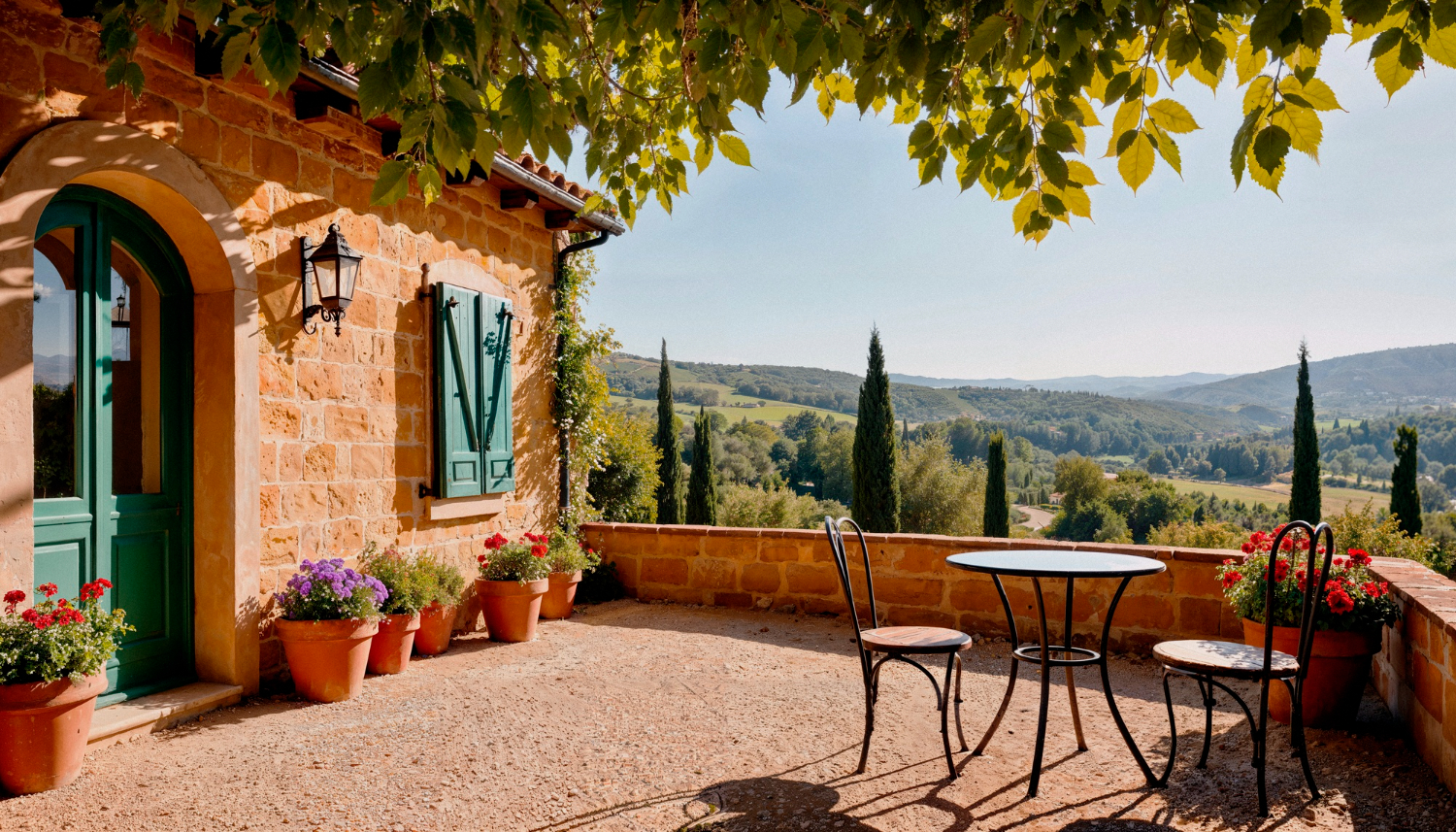
Outdoor spaces have become one of the most valuable assets in luxury hospitality. Terraces, rooftop lounges, poolside decks, and garden seating areas now play a central role in how guests experience a hotel. For Europe’s finest properties, these spaces are not seasonal add-ons—they are carefully curated environments where comfort, aesthetics, and durability must coexist. At the heart of these environments lies thoughtfully selected luxury hotel furniture designed specifically for outdoor living.
Luxury hotels understand that outdoor furniture must do more than look elegant. It must withstand climate variations, support long hours of use, and reinforce the hotel’s brand identity across every visible space.
Outdoor Spaces as Extensions of Luxury Interiors
In premium European hotels, terraces are treated as natural extensions of interior spaces rather than separate zones. Guests expect the same level of refinement outdoors as they experience inside their suites and lounges. This expectation has transformed the role of hotel outdoor furniture in luxury hospitality.
Designers focus on continuity—matching colour palettes, textures, and silhouettes so that outdoor seating feels cohesive with the rest of the property. When terrace furniture mirrors interior design values, guests perceive the hotel as more thoughtful, polished, and immersive.
Outdoor luxury is no longer defined by excess, but by harmony.
Weather-Resistant Design Without Visual Compromise
One of the greatest challenges in outdoor hospitality design is durability. Outdoor furniture must endure sun exposure, rain, humidity, wind, and temperature changes—often within the same season. High-quality luxury hotel furniture addresses these challenges through advanced materials and engineering rather than sacrificing elegance.
European luxury hotels rely on weather-resistant solutions such as:
- powder-coated aluminium and stainless steel frames
- teak and treated hardwoods with natural oils
- UV-resistant outdoor fabrics that retain colour
- quick-dry foams designed for moisture control
- ceramic, stone, or composite tabletops
These materials ensure that outdoor furniture maintains its appearance and comfort over time, even in demanding coastal or urban environments.
Terrace Furniture Designed for Guest Comfort
Comfort remains a defining element of luxury. Outdoor seating must support relaxation, social interaction, and long stays—especially in lounge and dining areas. Thoughtfully selected terrace furniture balances ergonomic design with visual lightness.
Seat depth, backrest angle, arm support, and cushion density are all considered carefully. Guests should feel encouraged to linger—whether enjoying morning coffee, afternoon conversations, or evening cocktails. When comfort is prioritised, terraces become destination spaces rather than transitional areas.
Luxury is felt most strongly when guests forget about time.
European Aesthetics in Outdoor Hospitality
European design influences outdoor hospitality through restraint, proportion, and timeless appeal. Rather than following fast-moving trends, luxury hotel outdoor furniture Europe reflects enduring values—neutral tones, natural textures, and refined silhouettes.
Soft beiges, warm greys, muted greens, and charcoal shades dominate terrace palettes. These colours integrate seamlessly with surrounding architecture and landscapes, allowing furniture to complement rather than overpower the environment.
Clean lines, gentle curves, and minimal ornamentation ensure that outdoor spaces feel elegant today and relevant for years to come.
Durability as a Long-Term Investment
Outdoor furniture experiences higher wear than interior pieces. This makes durability a financial consideration as much as a design one. High-quality hotel outdoor furniture reduces replacement frequency, lowers maintenance costs, and preserves brand consistency.
Luxury hotels invest in outdoor furniture that:
- resists corrosion and fading
- maintains structural stability
- withstands frequent cleaning
- performs consistently across seasons
Durability protects not only physical assets but also guest perception. Worn or damaged furniture immediately undermines the sense of luxury, regardless of location or view.
Creating Flexible Terrace Layouts
Modern luxury hotels design terraces for versatility. Outdoor spaces must adapt to different times of day, guest volumes, and event formats. Well-planned terrace furniture supports this flexibility through modular designs and lightweight construction.
Common strategies include:
- modular lounge seating that can be reconfigured
- stackable or movable dining chairs
- side tables that adjust to seating changes
- layered zones for dining, lounging, and socialising
This adaptability allows hotels to maximise terrace usage without compromising visual harmony.
Brand Identity Through Outdoor Furniture
Every piece of furniture contributes to brand storytelling. Outdoor spaces are highly visible and frequently photographed, making them critical to a hotel’s visual identity. Carefully chosen luxury hotel furniture reinforces the hotel’s character—whether minimalist, resort-inspired, urban, or heritage-driven.
Guests associate well-designed terraces with quality, attention to detail, and exclusivity. These impressions influence reviews, social media exposure, and overall brand perception long after the stay ends.
Furniture becomes part of the hotel’s visual signature.
Outdoor Dining and Lounge Experiences
Terraces often host dining and social experiences that define a guest’s stay. Outdoor dining furniture must balance elegance with functionality, especially in high-traffic areas. Luxury hotel outdoor furniture Europe is designed to support hospitality operations without appearing commercial.
Dining chairs remain comfortable over long meals, tables feel stable yet refined, and lounge seating encourages conversation. When outdoor furniture performs seamlessly, service quality improves naturally.
Great furniture allows hospitality to shine.
Sustainability and Responsible Design
Sustainability increasingly influences luxury hospitality decisions. European hotels prioritise responsibly sourced materials, recyclable components, and furniture built for longevity. Investing in durable hotel outdoor furniture aligns with sustainability goals by reducing waste and frequent replacement.
Sustainable luxury is no longer a contradiction—it is an expectation among discerning guests and designers alike.
Conclusion: Outdoor Furniture as a Luxury Statement
Outdoor spaces are no longer optional in luxury hospitality. Through thoughtful design, weather-resistant materials, and refined aesthetics, luxury hotel furniture transforms terraces into elegant, functional extensions of the hotel experience.
For luxury shoppers and interior designers, investing in high-quality outdoor furniture is a strategic decision—one that enhances guest comfort, protects long-term value, and strengthens brand identity across hotels and resorts.
True luxury endures—indoors and out.
Schreibe einen Kommentar