Luxury hotel bedrooms across Europe share a quiet confidence. They are not driven by short-lived trends or bold visual statements. Instead, they rely on balance, proportion, and enduring materials that continue to feel elegant year after year. This is the essence of hotel bedroom furniture shaped by timeless European design.
For high-end hotels and interior designers, the bedroom is not just a place for rest. It is a carefully curated environment where comfort, visual calm, and long-term value must coexist. European design principles place longevity and restraint at the centre of every decision—resulting in spaces that feel refined, contemporary, and effortlessly luxurious.
European Design Philosophy in Hotel Bedrooms
European hospitality interiors are rooted in architectural harmony. Rather than overpowering the room, hotel bedroom furniture is designed to complement space, light, and flow. Furniture pieces are proportioned carefully, allowing rooms to breathe while maintaining a strong visual identity.
This philosophy avoids excessive ornamentation. Clean silhouettes, subtle detailing, and neutral finishes dominate the design language. The result is an atmosphere that feels composed and welcoming, appealing to international guests with diverse tastes.
By prioritising structure over decoration, European hotels ensure their interiors remain relevant long after seasonal trends fade.
Longevity as a Core Design Principle
In luxury hospitality, furniture longevity is not optional—it is essential. High-quality hotel furniture must withstand constant use while maintaining its appearance and comfort. European hotels invest in materials and craftsmanship that age gracefully rather than deteriorate.
Solid hardwood frames, reinforced joints, and premium upholstery fabrics ensure durability without compromising elegance. This approach reduces replacement cycles, protects long-term budgets, and supports sustainable design practices.
Longevity also enhances brand consistency. Guests returning years later encounter the same refined atmosphere, reinforcing trust and loyalty.
Neutral Palettes That Never Date
Colour plays a powerful role in timeless interiors. European hotels favour neutral palettes because they create a calming, adaptable foundation for hotel bedroom furniture. Shades such as warm ivory, stone grey, soft taupe, muted beige, and charcoal allow furniture forms and textures to take centre stage.
Neutral tones also adapt easily to future updates. Lighting, artwork, or textiles can evolve without requiring a complete redesign. This flexibility is especially valuable for luxury hotels aiming to refresh spaces while preserving their core identity.
A neutral bedroom does not feel cold—it feels intentional, balanced, and quietly confident.
The Role of Hotel Bed Furniture
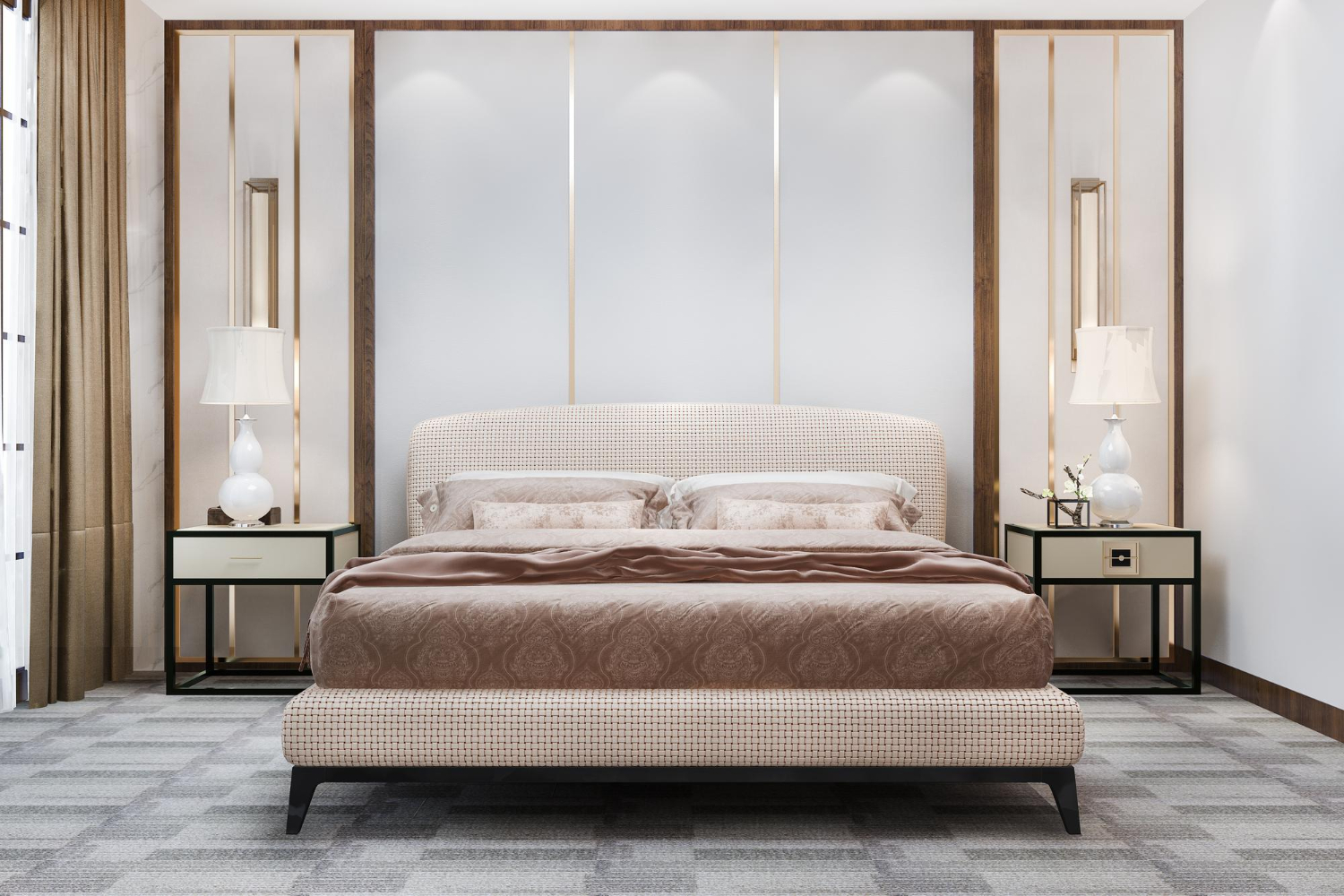
The bed is the emotional anchor of every hotel bedroom. Well-designed hotel bed furniture shapes the guest’s perception of comfort before they even lie down. European hotels focus on headboard proportions, frame stability, and material harmony rather than decorative excess.
Upholstered headboards with subtle textures, integrated bedside elements, and structured bed bases create visual continuity. These elements support relaxation while reinforcing a sense of order and refinement.
When bed furniture is thoughtfully designed, the bedroom feels complete without unnecessary additions.
Modern Design Without Trend Dependency
True modernity in European hospitality is not about following trends—it is about relevance over time. Modern hotel bedroom furniture embraces simplicity, functionality, and understated elegance.
Designers focus on slim profiles, ergonomic forms, and materials that feel current yet timeless. Soft curves replace sharp angles, matte finishes replace gloss, and tactile fabrics replace overly decorative surfaces.
This restrained approach ensures that modern furniture does not become visually outdated. Instead, it continues to feel fresh, sophisticated, and appropriate for evolving guest expectations.
Furniture That Supports Guest Well-Being
Comfort in European hotel bedrooms extends beyond the bed. Seating, wardrobes, desks, and storage units are designed to support ease of movement and daily routines. Thoughtfully placed hotel bedroom furniture allows guests to unpack, work, relax, and sleep without friction.
Design restraint plays a role here as well. By avoiding clutter and excessive furnishings, rooms feel more spacious and calming. This sense of order contributes directly to guest well-being—an increasingly important factor in luxury hospitality.
When furniture supports function without drawing attention to itself, guests feel at ease.
Design Restraint as a Luxury Statement
In European hotel design, restraint is not minimalism—it is confidence. Luxury is communicated through material quality, craftsmanship, and proportion rather than excess. This is why hotel furniture often appears simple at first glance but reveals depth upon closer inspection.
Precision stitching, carefully chosen wood grains, balanced symmetry, and tactile finishes communicate value without ostentation. This subtlety appeals to discerning guests who appreciate authenticity and refinement.
Restraint also allows architecture and natural light to enhance the space, reinforcing the room’s sense of calm.
Why Timeless Furniture Elevates Hotel Positioning
Hotels that invest in timeless hotel bedroom furniture position themselves strategically in a competitive market. Instead of redesigning frequently, they build an interior identity that remains relevant and recognisable.
This consistency strengthens brand perception, supports premium pricing, and enhances guest trust. When guests associate a hotel with comfort, elegance, and longevity, they are more likely to return and recommend the property.
Timeless design is not a cost—it is a long-term asset.
Conclusion: European Design as a Long-Term Advantage
European hotel bedrooms succeed because they prioritise what lasts. Through neutral palettes, refined hotel bed furniture, modern restraint, and durable hotel furniture, these spaces deliver luxury without excess.
For high-end hotels and interior designers, embracing timeless European design is a strategic decision. It protects investment, elevates guest experience, and ensures that bedrooms remain elegant, relevant, and welcoming for years to come.
Schreibe einen Kommentar