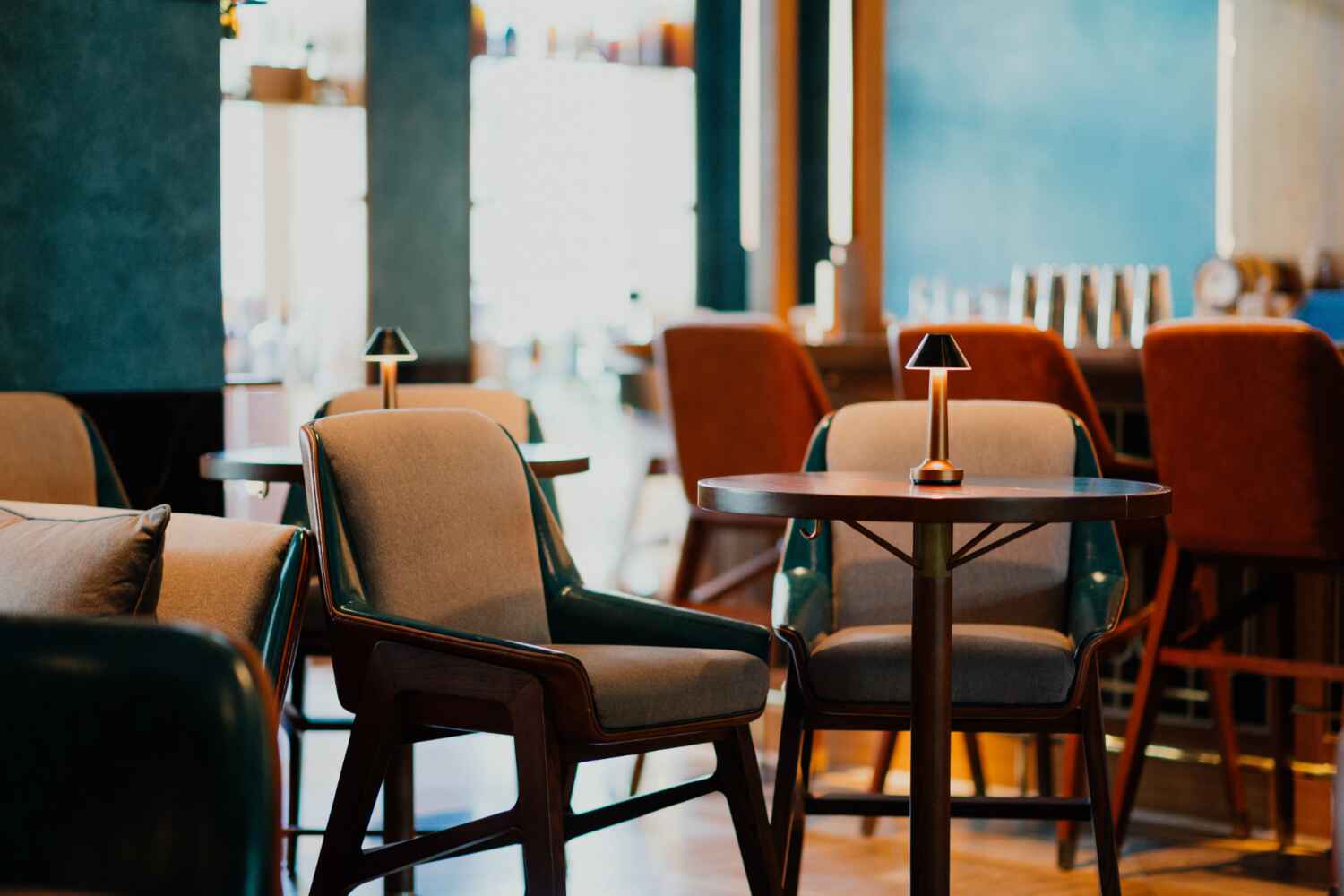
High-traffic hotel restaurants demand more from their interiors than aesthetic appeal alone. In busy breakfast rooms, all-day dining spaces, and fine dining venues within luxury properties, hotel dining chairs must withstand constant use while maintaining comfort and elegance. Selecting the right seating is not simply a design decision; it is an operational investment that directly affects guest satisfaction, maintenance costs, and brand perception. For hotel managers and F&B directors, choosing durable yet refined seating is a critical component of sourcing luxury hotel furniture that performs as beautifully as it looks.
Understanding Durability in High-Use Environments
In a hotel restaurant, chairs may be used hundreds of times per day. Unlike residential furniture, hotel dining chairs must meet higher durability standards. European hospitality benchmarks often recommend hardwood frames such as beech or oak due to their structural strength and resistance to warping. Mortise-and-tenon joinery or reinforced corner blocks significantly improve longevity compared to basic dowel construction.
Metal frames, particularly powder-coated steel or aluminium, are also popular in contemporary dining spaces because they combine modern design with structural integrity. When selecting luxury dining chairs, it is important to verify weight capacity, stability testing certifications, and commercial-grade performance ratings. High-quality luxury hotel furniture suppliers typically provide documentation regarding stress testing and material resilience, ensuring the chairs are built specifically for hospitality use.
Frame Construction and Structural Stability
Frame construction is often overlooked, yet it determines how well a chair withstands constant movement, stacking, and floor contact. In high-traffic restaurants, chairs are frequently repositioned by guests and staff, increasing the risk of joint fatigue. Hardwood frames with kiln-dried treatment reduce moisture content and prevent cracking over time.
Designers such as Italian hospitality specialist Marco Bianchi often emphasize that “a beautiful dining chair must first survive the rhythm of service.” His perspective highlights that aesthetics should never compromise structural integrity. When sourcing hotel dining chairs, inspect the underside and connection points. Reinforced stretchers between legs, protective glides, and balanced weight distribution contribute significantly to long-term performance.
Upholstery Performance and Maintenance
While durability begins with the frame, upholstery performance determines how well chairs retain their appearance. In busy hotel restaurants, spills, stains, and constant friction are inevitable. Commercial-grade fabrics with high Martindale rub counts provide better resistance to wear. Many premium luxury dining chairs now incorporate stain-resistant treatments or performance textiles that repel moisture and simplify cleaning.
Leather and faux leather options are often chosen for upscale dining rooms because they are easier to wipe clean and maintain a polished appearance. However, high-quality woven fabrics can offer acoustic benefits by absorbing sound in lively dining spaces. Selecting upholstery that balances visual appeal with maintenance efficiency ensures that your luxury hotel furniture continues to reflect refinement even after years of service.
Ergonomics and Guest Comfort
Comfort is a defining element of any successful hotel restaurant. Even in high-traffic venues, guests expect seating that supports long, relaxed meals. Ergonomic considerations such as seat height, backrest angle, and cushioning density are crucial. Standard seat heights between 45 and 48 cm typically align well with dining table proportions, but depth and lumbar support must also be evaluated.
Well-designed hotel dining chairs encourage guests to linger, enhancing overall dining revenue. French designer Claire Moreau notes that “comfort in hospitality design should feel effortless; when guests forget the chair and focus on the experience, you have succeeded.” Investing in thoughtfully designed luxury dining chairs enhances both operational efficiency and guest perception.
Balancing Aesthetics with Operational Needs
High-traffic restaurants often face a tension between style and practicality. While visual impact matters, durability should remain the priority. Fortunately, modern luxury hotel furniture collections integrate robust engineering with refined silhouettes. Neutral tones and timeless forms reduce the need for frequent style updates, protecting long-term investment.
Stackable or lightweight options may also benefit buffet areas or event spaces, where flexibility is essential. The ideal solution is one that aligns with the restaurant’s brand identity while accommodating operational demands.
Final Thoughts: Invest with Longevity in Mind
Choosing the right hotel dining chairs for high-traffic restaurants requires a careful balance of durability, comfort, and design. From reinforced frames to performance upholstery and ergonomic precision, every detail contributes to a chair’s lifespan and the overall guest experience. High-quality luxury dining chairs are not simply decorative elements; they are strategic assets within your broader luxury hotel furniture investment.
What durability challenges have you encountered in your dining spaces? Share your experiences and insights. Conversations around practical hospitality design help refine standards and inspire better solutions for luxury hotels across Europe and beyond.
Schreibe einen Kommentar