Fine dining in luxury hotels is a carefully orchestrated experience. Every detail—from lighting and acoustics to seating and service flow—contributes to how guests perceive the space. Among these elements, the hotel dining table plays a surprisingly influential role. Far from being a functional surface, it shapes mood, comfort, sound, and visual harmony within the restaurant.
For luxury shoppers and interior designers, understanding how dining tables influence ambience is essential when selecting luxury hotel furniture for premium hospitality environments.
Dining Tables as the Visual Core of Restaurants
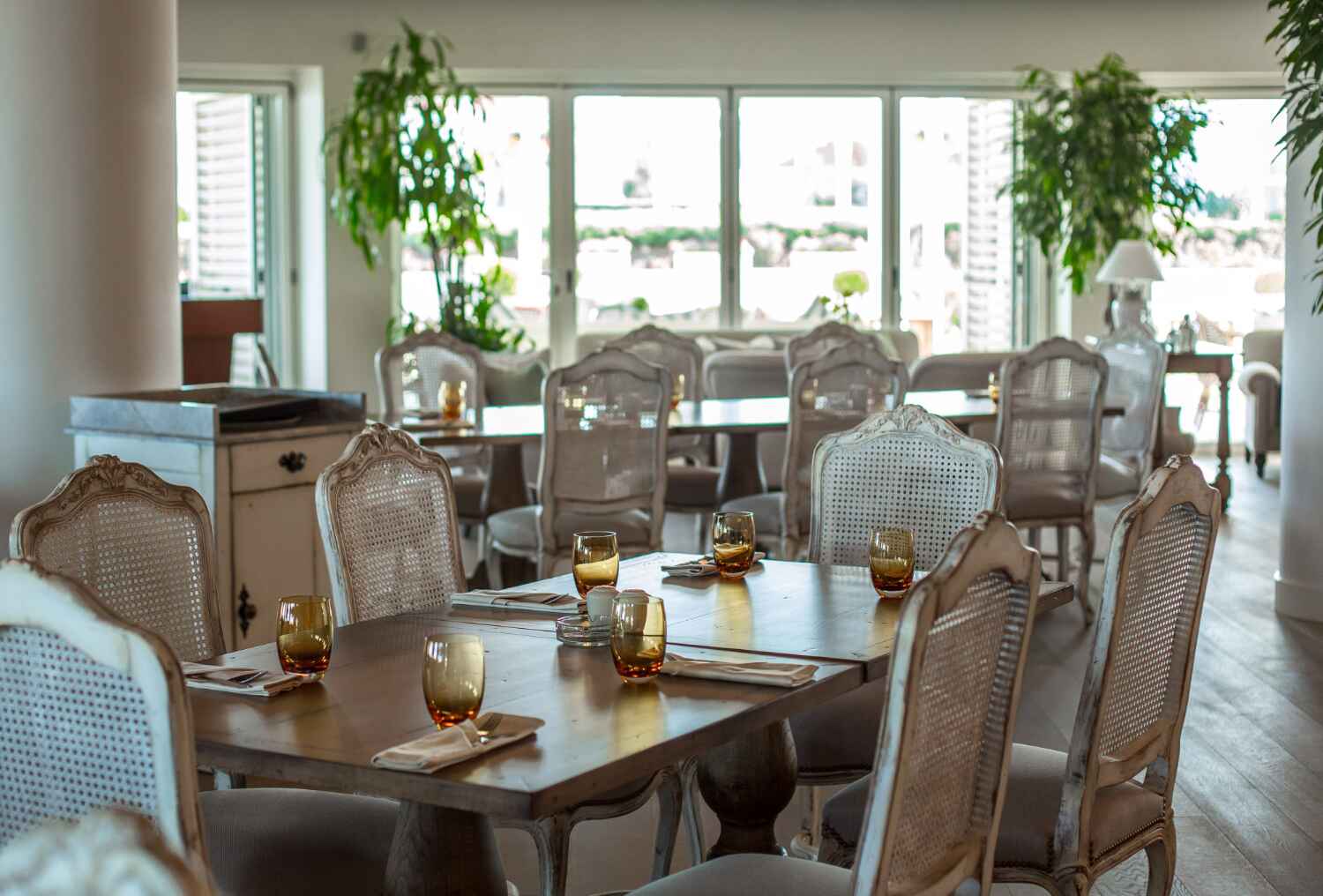
In fine dining restaurants, tables establish rhythm and structure. Their size, spacing, and proportions determine how the room feels—intimate, open, or formal. Well-designed hospitality dining tables help organise the dining floor without visual clutter.
European luxury hotels favour balanced table proportions that allow comfortable seating while preserving circulation. Tables that feel too large dominate the space, while undersized tables disrupt service flow. When scale is carefully considered, the dining area feels composed and effortless.
Visual balance encourages guests to relax and engage with their surroundings.
Proportions That Influence Guest Comfort
Comfort at the table extends beyond the chair. Table height, leg clearance, and edge detailing all affect how guests experience a meal. A thoughtfully designed hotel dining table allows guests to sit naturally, dine comfortably, and remain relaxed throughout extended courses.
Luxury hotel restaurants often adopt proportions that support fine dining rituals—ample space for place settings, wine service, and shared dishes without crowding. These details enhance guest comfort while reinforcing a sense of refinement.
Comfort, when integrated subtly, elevates the entire dining experience.
Material Choice and Emotional Impact
Materials influence mood more than most guests realise. Natural wood, stone, and high-quality composites used in luxury hotel dining table designs create warmth and authenticity. These materials absorb light softly, reducing glare and visual noise.
European luxury interiors favour tactile surfaces that feel substantial yet refined. Wood grains add character, stone conveys permanence, and matte finishes promote calm. Together, these choices shape emotional responses—encouraging guests to linger and enjoy the experience.
Material quality silently communicates value.
Finishes That Define Atmosphere
Finish selection determines how a dining table interacts with lighting and décor. Glossy surfaces reflect light dramatically, while matte finishes create a more subdued ambience. In fine dining settings, understated finishes are often preferred for hospitality dining tables.
Soft-touch lacquers, oiled wood, and honed stone finishes reduce distractions and keep attention on cuisine and conversation. These finishes also photograph beautifully, supporting the restaurant’s visual presence across digital platforms.
The right finish enhances atmosphere without demanding attention.
Acoustics and Table Design
Sound plays a critical role in dining ambience. Poor acoustics can undermine even the most beautiful restaurant. The construction of a hotel dining table influences how sound travels and is absorbed within the space.
Solid tabletops with appropriate thickness help reduce vibrations from cutlery and glassware. When combined with upholstered seating and soft finishes, tables contribute to a calmer acoustic environment. This allows conversations to flow naturally without excessive background noise.
Good acoustics support intimacy and comfort.
Table Layout and Guest Perception
Spacing between tables affects how guests perceive privacy and exclusivity. Carefully arranged luxury hotel furniture creates zones that feel personal while maintaining openness. Tables placed too close compromise comfort, while excessive spacing can feel cold.
European fine dining restaurants strike a balance, allowing guests to feel both part of the atmosphere and comfortably removed from neighbouring tables. This spatial awareness enhances perceived luxury and encourages repeat visits.
Perception often matters as much as reality.
Durability Without Sacrificing Elegance
Fine dining tables in hotels experience constant use. Durability is essential, but it must never compromise aesthetics. High-quality hospitality dining tables are engineered to withstand daily service while maintaining their appearance.
Protective finishes, reinforced structures, and carefully selected materials ensure longevity. This approach preserves visual standards over time and reduces maintenance costs—an important consideration for luxury hotels.
Enduring elegance protects both brand image and investment.
Why European Dining Table Design Endures
European design principles emphasise restraint, proportion, and longevity. Luxury hotel dining table designs avoid trends in favour of timeless forms that remain relevant year after year.
This design philosophy allows restaurants to evolve their décor without replacing core furniture. Tables remain visually appropriate as lighting, tableware, and textiles change.
Timeless design ensures lasting value.
Conclusion: Tables as Ambience Shapers
Dining tables influence far more than where guests place their plates. Through proportion, material, finish, and layout, the hotel dining table shapes mood, acoustics, and perception in fine dining environments.For luxury shoppers and interior designers, investing in well-designed luxury hotel furniture means creating dining spaces that feel balanced, refined, and memorable. When tables are chosen with intention, fine dining ambience becomes an experience guests remember long after the meal ends.
Schreibe einen Kommentar