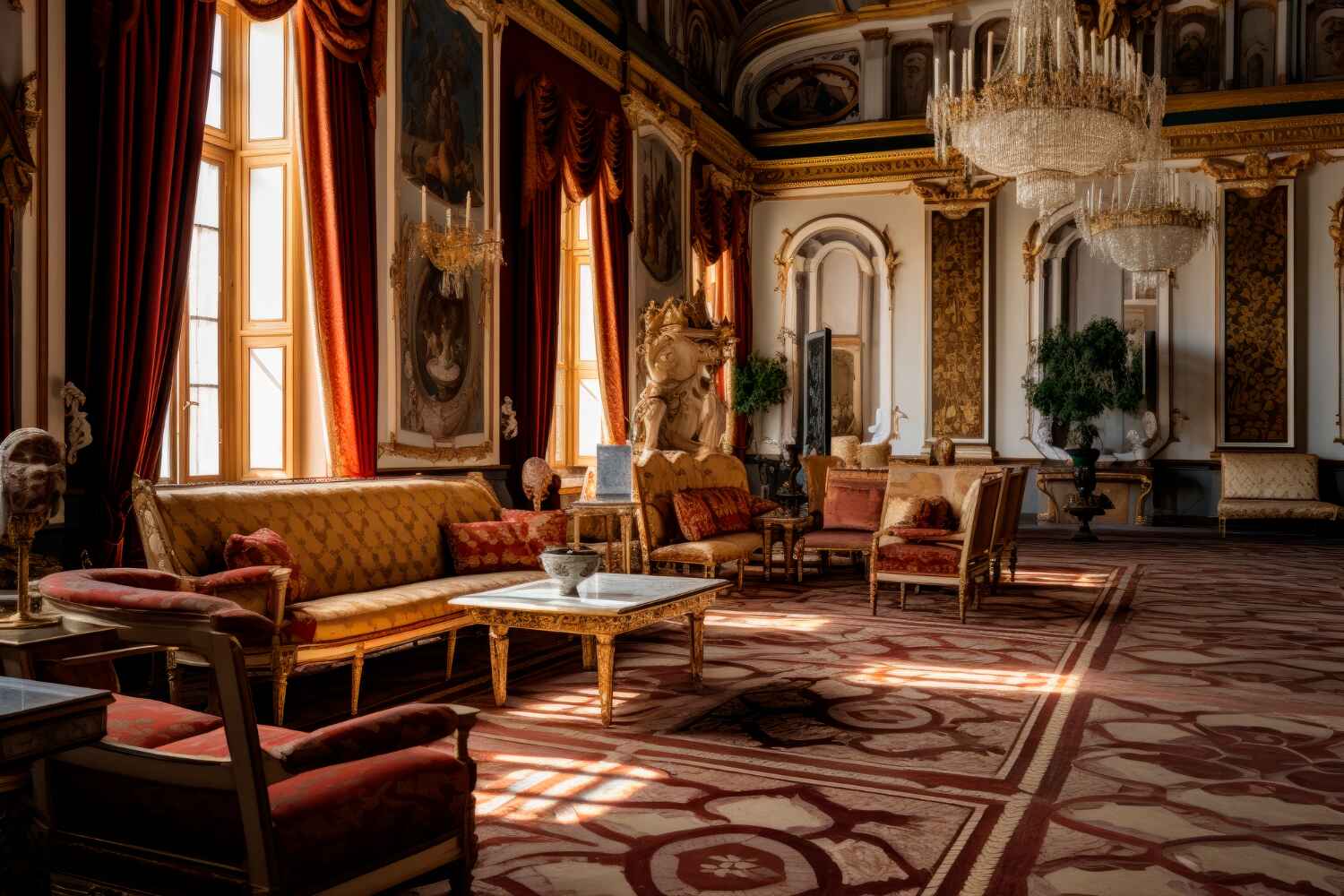
Luxury in hospitality is rarely accidental. It is carefully constructed through architecture, service, materials, and above all, design choices. Among the most visually powerful design elements available to hoteliers is Baroque Furniture. Known for its elaborate carvings, gilded finishes, and dramatic silhouettes, luxury Baroque Furniture has long been associated with royalty and aristocratic interiors.
But does incorporating Baroque Furniture genuinely increase perceived luxury value in hotels? Or is it simply decorative nostalgia? For hotel owners and operators across Europe, the answer lies in guest psychology, visual storytelling, and measurable revenue impact.
The Psychology of Grandeur in Hospitality Design
Guests rarely analyse design consciously, yet they instinctively respond to visual cues. Ornate detailing, symmetry, and craftsmanship communicate status and exclusivity. Baroque Furniture triggers associations with European palaces, historic estates, and cultural refinement. These subconscious signals elevate perceived prestige the moment guests enter a lobby or suite.
Luxury hospitality thrives on emotional experience. When a reception area features sculpted consoles, carved armchairs, and gilded mirrors, guests perceive higher value even before interacting with staff. This immediate impression supports premium positioning and justifies higher room rates. Carefully selected hotel furniture, particularly statement pieces in Baroque style, reinforces a narrative of heritage and sophistication.
French interior designer Jacques Delorme once noted, “Luxury is not only about comfort; it is about theatre. Baroque design introduces drama, and drama increases memorability.” That memorability translates directly into brand recall and perceived quality.
Social Media Appeal and Visual Impact
Modern luxury extends beyond physical experience into digital visibility. Guests increasingly evaluate hotels based on Instagram photos and online imagery before booking. Here, luxury Baroque Furniture offers significant advantage.
Ornate seating, dramatic headboards, and sculptural tables create photogenic focal points. A well-placed Baroque armchair beneath a chandelier becomes a shareable moment. In an era where user-generated content drives bookings, visually distinctive Baroque Furniture enhances organic marketing value.
Hotels that integrate bold statement hotel furniture often see higher engagement on social platforms. Dramatic interiors are more likely to be photographed, tagged, and shared. This visual differentiation strengthens brand identity in a competitive market where minimalist interiors have become common.
Influence on ADR and Revenue Positioning
Average Daily Rate (ADR) is influenced not only by location and service but also by perceived luxury. Research in hospitality branding consistently shows that distinctive interior design contributes to higher pricing tolerance. When guests perceive a hotel as unique and opulent, they are more willing to pay premium rates.
In boutique and premium hotels, Baroque Furniture can serve as a strategic differentiator. While contemporary minimalism dominates many new developments, introducing luxury Baroque Furniture allows properties to stand apart. This uniqueness supports stronger brand storytelling and can positively influence ADR in competitive urban markets.
Italian hospitality consultant Marco Bellini explains, “When design feels extraordinary, pricing feels justified. Ornamental detail communicates investment and craftsmanship, which signals value.” For hotel owners, that signal can translate into tangible financial performance.
Boutique Hotels vs Large Luxury Chains
The impact of Baroque Furniture varies depending on property type. Boutique hotels often benefit most from strong stylistic identity. In these spaces, luxury Baroque Furniture becomes a storytelling tool, reinforcing themes of romance, heritage, or artistic flair.
Large luxury chains may integrate Baroque-inspired elements selectively within lobbies or signature suites to create focal contrast. This approach balances operational scalability with visual distinction. In both cases, carefully curated hotel furniture enhances perceived exclusivity without compromising functionality.
However, success depends on thoughtful integration. Overuse of ornate detailing can overwhelm spaces. Strategic placement ensures that Baroque Furniture elevates design rather than dominating it.
Balancing Heritage with Modern Comfort
Perceived luxury is not solely about aesthetics. Guests expect comfort alongside grandeur. High-quality upholstery, ergonomic seating, and durable finishes must complement ornamental design.
Today’s luxury Baroque Furniture often combines traditional craftsmanship with modern engineering. Reinforced frames, performance fabrics, and contemporary cushioning standards ensure that these pieces meet hospitality durability requirements. For hotel owners, this fusion of heritage style and modern comfort maximises both guest satisfaction and long-term investment value.
German designer Anna Krüger summarises this balance effectively: “True luxury blends emotion and practicality. Baroque furniture works when it feels indulgent yet effortless.”
Does Baroque Furniture Truly Increase Perceived Value?
The answer is nuanced but compelling. Baroque Furniture increases perceived luxury value when used strategically within a cohesive design concept. It enhances visual drama, strengthens brand identity, improves photo appeal, and can support higher room rates.
For European luxury hotels and boutique properties seeking differentiation, luxury Baroque Furniture offers a timeless pathway to distinction. When integrated thoughtfully within broader hotel furniture strategy, it elevates both aesthetic perception and commercial positioning.
Ultimately, luxury is about perception. If guests feel they have stepped into an environment of grandeur and refinement, value rises accordingly.
Conclusion
In a hospitality landscape where uniform design has become widespread, distinctive elements matter more than ever. Baroque Furniture provides not only decorative richness but also psychological and commercial advantage. From social media visibility to ADR positioning, its influence extends beyond style into measurable brand impact.
Have you introduced Baroque Furniture into your property? Did it change guest perception or booking performance? Share your experience and join the conversation on how heritage design continues to shape modern luxury hospitality.
Schreibe einen Kommentar