Boutique hotels thrive on individuality. Unlike large hospitality chains that rely on consistency and scale, boutique properties succeed by offering character, intimacy, and memorable design. The key to achieving this lies in intentional luxury hotel decoration that tells a story. Every piece of furniture, every artwork selection, and every cultural reference should reflect a cohesive narrative. For independent hoteliers, thoughtful boutique hotel decoration is not simply an aesthetic choice; it is a strategic tool for differentiation.
Start with a Story, Not a Style
The most compelling boutique interiors begin with a story. Rather than selecting furniture based purely on trends, define the narrative behind your property. Is your hotel inspired by maritime heritage, contemporary European minimalism, or local artisan culture? Once this foundation is clear, your luxury hotel furniture and decorative elements can reinforce that identity.
Successful boutique hotels often draw inspiration from their surroundings. A coastal property may incorporate textured linen upholstery and natural oak finishes, while an urban hotel could integrate sculptural lighting and bold architectural forms. By anchoring design decisions in a story, you create an immersive experience that guests remember long after checkout.
Curate Art That Reflects Local Culture
Art plays a powerful role in shaping unique luxury boutique hotel décor ideas. Boutique properties often collaborate with local artists to curate original works that reflect regional identity. This approach not only enhances authenticity but also strengthens community ties.
Instead of generic wall décor, consider statement pieces that provoke curiosity. Murals, handcrafted ceramics, or contemporary photography exhibitions can transform corridors and suites into gallery-like spaces. The goal is to make art feel intentional rather than decorative filler. When guests encounter authentic artistic expressions, the hotel becomes more than accommodation; it becomes a cultural destination.
Invest in Custom Furniture Accents
Standardized furnishings rarely convey individuality. Custom-designed pieces, even in small numbers, can dramatically elevate luxury hotel decoration. A bespoke headboard, artisan-crafted side table, or sculptural reception desk adds character while reinforcing brand identity.
European designers often emphasize that boutique luxury is defined by detail. Italian designer Paola Valli once noted that “true boutique design lives in the subtleties—hand-stitched seams, unique silhouettes, and materials that age gracefully.” Incorporating custom accents within your luxury hotel furniture collection ensures that each space feels curated rather than mass-produced.
While custom elements add uniqueness, balance them with practicality. Durability, comfort, and maintenance efficiency remain essential in hospitality environments. Boutique style should enhance guest experience without compromising functionality.
Layer Textures and Materials Thoughtfully
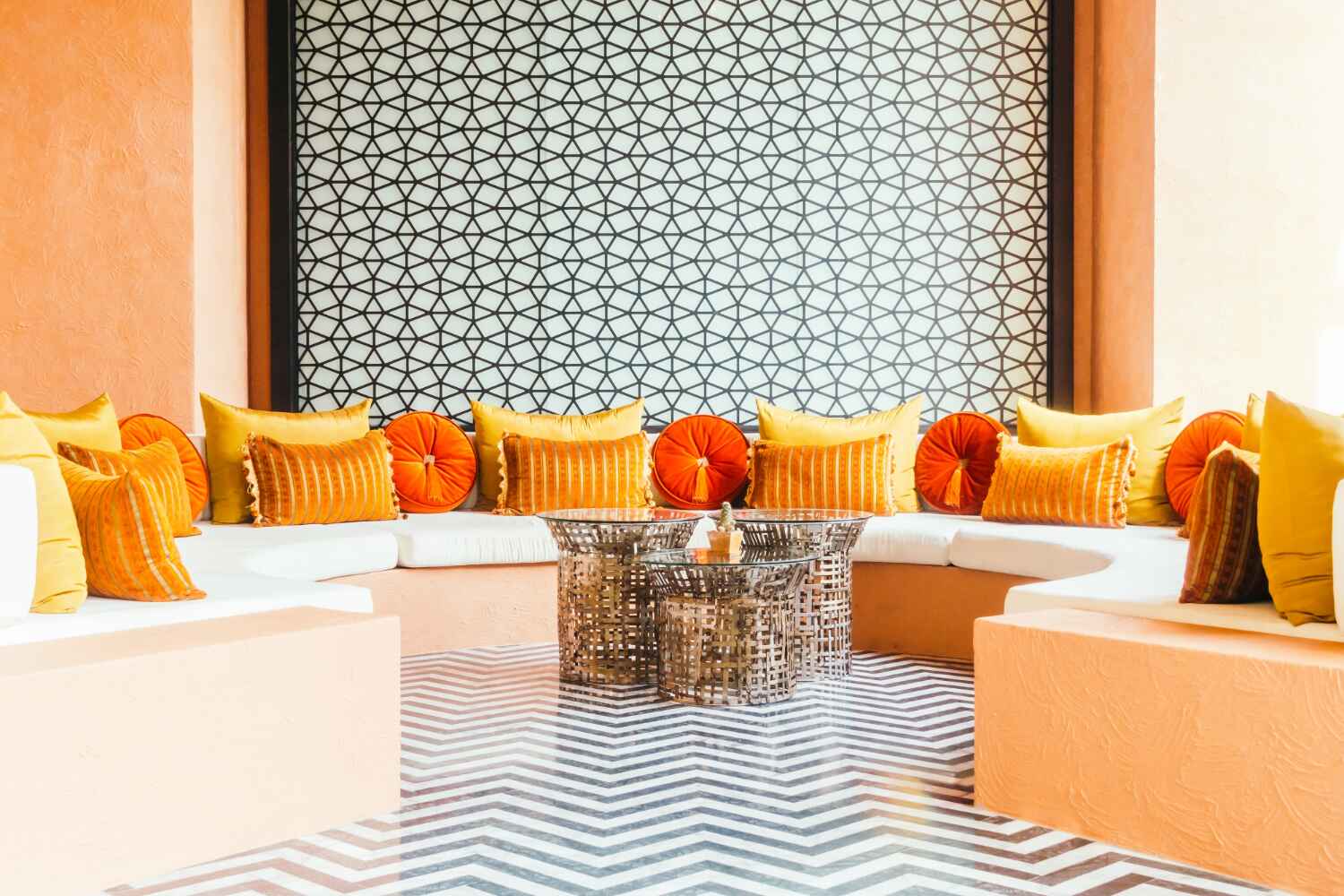
Distinct personality emerges through contrast and texture. Combining materials such as brushed brass, velvet upholstery, natural wood, and stone surfaces creates visual richness. Carefully layered textiles—curtains, cushions, throws—soften interiors and introduce warmth.
In boutique hotel decoration, texture often communicates luxury more effectively than excessive ornamentation. Scandinavian-inspired properties might emphasize tactile wool and oak, while Mediterranean concepts may highlight terracotta, linen, and hand-glazed tiles. These subtle references connect décor to location and atmosphere.
Lighting also plays a critical role. Layered lighting strategies that combine ambient, task, and accent lighting enhance mood and highlight design features. Thoughtful illumination ensures that decorative details receive the attention they deserve.
Embrace Cultural References Without Overstatement
Cultural storytelling should feel refined, not theatrical. Subtle references—patterns inspired by regional motifs, locally sourced materials, or heritage-inspired colour palettes—create authenticity without overwhelming the space. Guests appreciate design that feels genuine rather than staged.
For example, a boutique hotel in Paris might incorporate Art Deco influences through geometric forms and metallic accents. A mountain retreat in Switzerland could draw on alpine craftsmanship through carved wood elements and textured fabrics. These cultural nods reinforce the hotel’s narrative while maintaining a sense of timeless elegance.
Balance Individuality with Cohesion
While each room may feature distinct touches, consistency across the property is vital. A cohesive colour palette, recurring material themes, or signature decorative elements ensure that guests experience a unified brand story. Luxury hotel furniture selections should complement each other across suites, lobbies, and dining areas.
Cohesion strengthens recognition. When guests can identify a visual thread connecting spaces, the hotel’s personality becomes clear and memorable. Boutique hotels that master this balance often enjoy stronger guest loyalty and social media visibility.
Conclusion: Designing with Purpose
Decorating a boutique hotel with distinct personality requires more than stylish furnishings. It demands a narrative approach, thoughtful curation, and attention to detail. Through intentional luxury hotel decoration, curated art, custom furniture accents, and cultural references, boutique properties can transform interiors into immersive brand experiences.
For independent hoteliers, differentiation is the greatest asset. How do you express local culture through your décor? Share your approach and experiences. Conversations around boutique hotel decoration help inspire fresh ideas and strengthen the creative community shaping the future of hospitality design.
Schreibe einen Kommentar