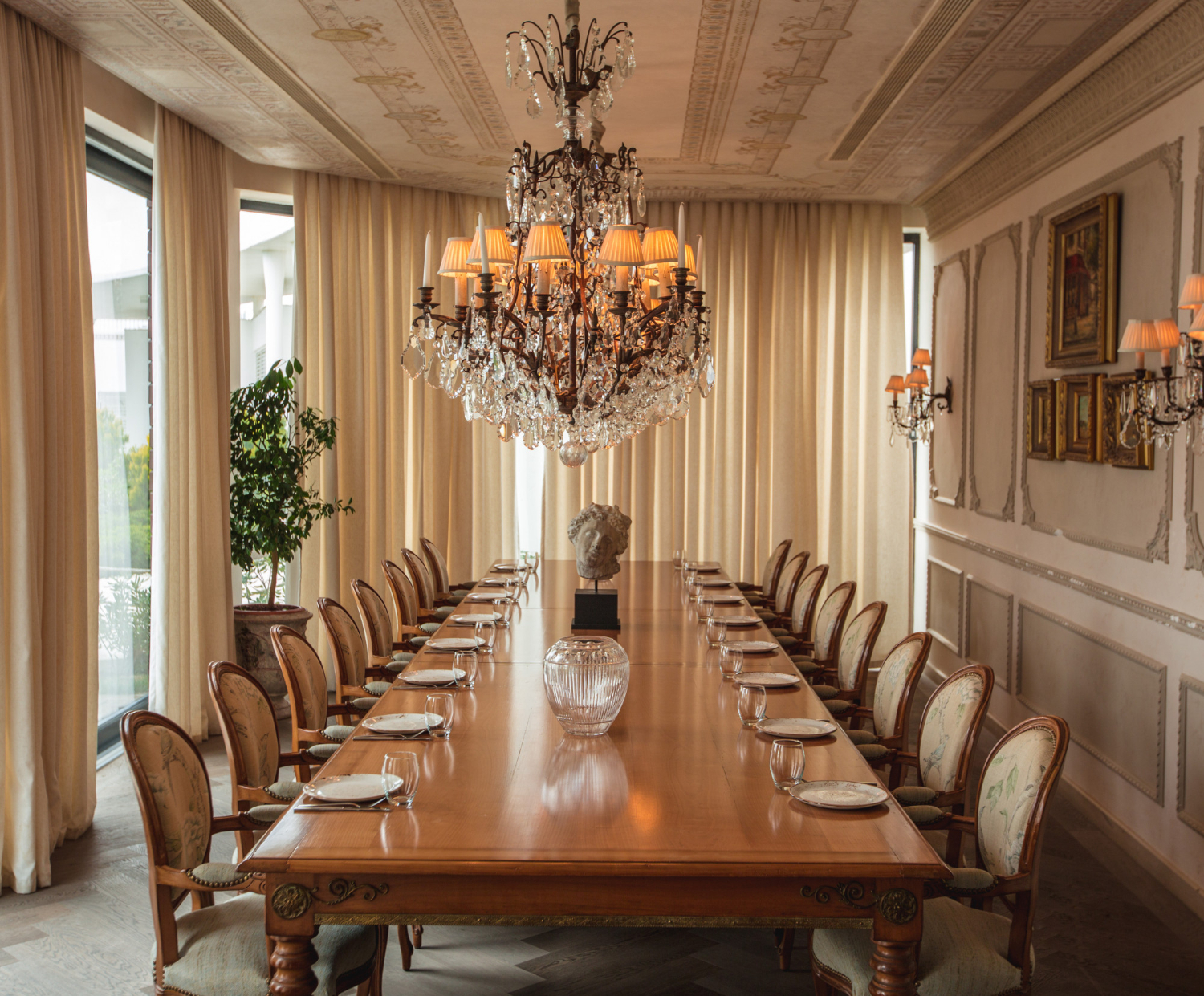
In Europe’s finest hotels, dining is not simply a service—it is theatre. Guests don’t just arrive for a meal; they arrive for an experience shaped by lighting, atmosphere, and the furniture that frames each moment. At the centre of this design story sits the hotel dining table, a quiet yet powerful element that influences guest comfort, spatial harmony, and visual identity.
A beautifully crafted dining table does far more than support plates. It sets expectations the moment guests sit down.
Where Style Meets the Art of Dining
The design of a hotel dining table has an immediate emotional impact. Its proportions, silhouette, and material finish determine how refined or relaxed the space feels. Luxury hotels across Europe use dining tables to create a narrative—Parisian elegance, Italian warmth, Nordic simplicity, or Mediterranean charm.
Marble surfaces introduce quiet opulence. Walnut and oak bring depth and character. Pedestal bases create sculptural presence, while slim metal frames feel modern and uncluttered.
These details make the dining room feel intentional and elevated, even before the first course arrives.
Pairing Tables with Refined Luxury Furniture
A table alone cannot carry the dining room—it must be supported by complementary luxury hotel furniture that enhances the surrounding space. Chairs, lighting, and décor create a composition that feels cohesive and inviting.
For example:
• Upholstered chairs soften the strong presence of stone tables.
• Leather seating adds richness to minimalist wooden designs.
• Brass or gold-toned accents elevate neutral table finishes.
This pairing is where functionality meets atmosphere. When the furniture speaks the same design language, the dining room becomes more than beautiful—it becomes memorable.
Durability That Supports Hotel Operations
A luxury dining space must remain stunning even under constant use. This is why durability is as essential as aesthetics. Hotels depend on luxury hotel furniture that can withstand daily cleaning, high guest turnover, spills, and movement.
Preferred features include:
• heat-resistant and scratch-resistant surfaces
• high-resilience frames that stay stable
• protective finishes that maintain colour and texture
• easy-clean coatings for operational efficiency
Durability preserves the hotel’s investment and ensures guests always experience the space at its best.
Designing for Comfort and Flow
Great dining design balances beauty with usability. Guest comfort, spatial rhythm, and service flow all rely on the proper placement of hotel dining tables.
Key considerations include:
• table height that supports natural posture
• shapes that match the restaurant’s architecture
• spacing that offers privacy while allowing efficient movement
• positioning that enhances lighting and sightlines
This thoughtful planning allows the restaurant to feel luxurious for guests and functional for staff.
Why the Dining Table Defines the Experience
In the world of European hospitality, the dining table is a symbol of care. Its materials, its craftsmanship, and the way it pairs with surrounding furniture tell guests something important: every detail matters.A premium hotel dining table is not decoration—it is an essential part of the guest’s emotional experience. When chosen well, it elevates the atmosphere, enhances the menu, and turns every meal into a moment worth remembering.
Schreibe einen Kommentar